
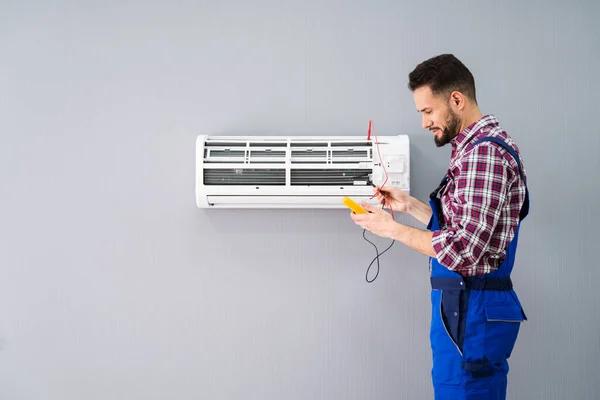
Local climate conditions play a crucial role in shaping the maintenance routine of your HVAC (Heating, Ventilation, and Air Conditioning) system. Understanding these influences can help homeowners and facility managers optimize their systems for efficiency, longevity, and cost-effectiveness.
In regions with extreme temperatures, whether hot or cold, HVAC systems are often pushed to their limits. In hotter climates, air conditioning units run more frequently to maintain comfortable indoor temperatures. This increased usage can lead to wear and tear on components such as compressors and fans. Regular maintenance becomes essential to ensure the system operates efficiently under continuous demand. It is advisable to schedule bi-annual check-ups before the peak summer months begin. During these inspections, technicians should clean coils, check refrigerant levels, inspect ductwork for leaks, and ensure all electrical connections are secure.
Conversely, Reliable HVAC services in Auburn, WA colder climates where heating is a priority during winter months, furnaces or heat pumps require diligent attention. Cold weather can cause issues such as frozen pipes or blocked vents due to snow accumulation. Routine checks should include inspecting burners for proper ignition and flame characteristics in gas furnaces and ensuring that heat exchangers are free from cracks or rust which could lead to carbon monoxide leaks—a serious safety hazard.
Humidity levels also significantly impact HVAC maintenance needs. In areas with high humidity levels like coastal regions or tropical zones, moisture control becomes critical. Excessive humidity can strain air conditioners as they work harder not only to cool but also dehumidify indoor air spaces. It’s important here to regularly check drainage lines for clogs that might cause water damage inside the unit or home structure itself.
Moreover, dusty environments—common in arid regions—pose another set of challenges by increasing filter clogging rates which reduce airflow efficiency through the system if left unchecked over time; hence filters may need replacing more frequently than standard recommendations suggest every three months depending on specific local conditions encountered daily by occupants living within those particular locales respectively speaking about them contextually regarding geographical location specifics involved therein accordingly too!
Seasonal changes further dictate adjustments needed throughout different times annually: springtime pollen buildup necessitates additional filtration efforts while autumn leaves potentially block external condenser units requiring extra cleaning steps taken proactively beforehand rather than reactively afterward whenever possible ideally instead!
Ultimately understanding how local climate affects your specific environment allows tailored strategies optimizing performance saving money long term via preventative measures implemented wisely ahead anticipating potential problems arising naturally given circumstances surrounding each unique situation faced individually thereby achieving best results consistently ongoing basis overall generally seen across board universally applicable regardless wherever situated globally today tomorrow alike forevermore!