
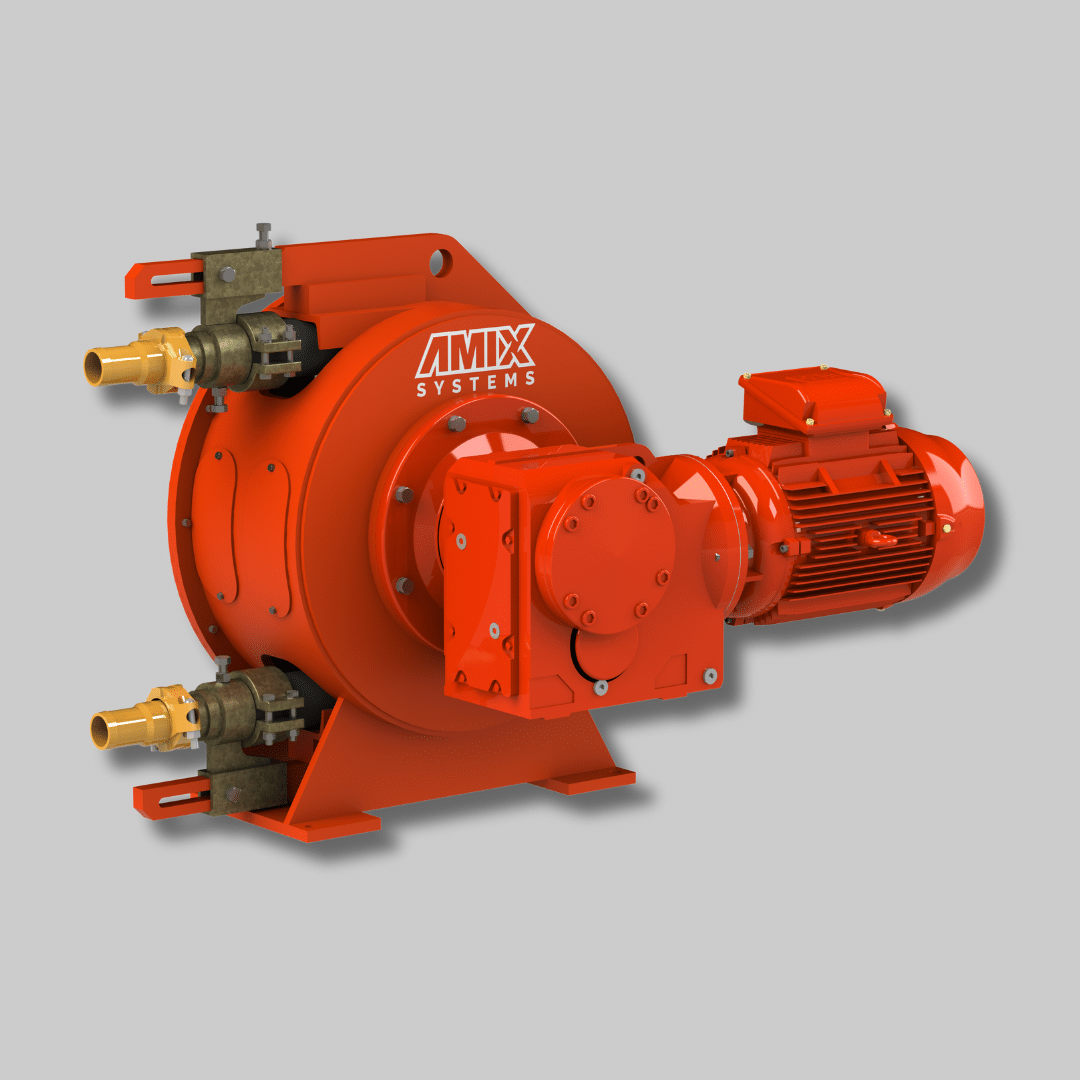
Pumpable grout has become an essential material in modern construction due to its versatility, efficiency, and superior performance characteristics. This specialized form of grout is designed to be fluid enough for pumping through pipes and hoses while maintaining the strength and durability required for structural applications. Its adoption in contemporary construction projects offers numerous advantages that contribute to improved quality, reduced labor costs, and enhanced project timelines.
One of the primary benefits of pumpable grout is its ease of application. Unlike traditional grouting materials that may require manual placement or complicated mixing procedures, pumpable grout can be delivered directly to hard-to-reach areas using pumps. This capability significantly reduces the need for extensive scaffolding or access platforms, allowing workers to apply grout efficiently even in confined spaces or elevated locations. The ability to pump grout over long distances also facilitates large-scale operations where consistent material delivery is crucial.
In addition to ease of application, pumpable grout exhibits excellent flowability without segregation or bleeding. This property ensures uniform filling of voids, cracks, and joints within concrete structures or masonry assemblies. As a result, it enhances the overall integrity and longevity of the construction by preventing weak spots that could lead to future deterioration or failure. Moreover, because pumpable grout can penetrate narrow gaps and complex geometries with minimal effort, it provides superior bonding between structural elements compared to conventional methods.
Another significant advantage lies in its rapid setting time combined with high early strength development. Modern formulations enable pumpable grout to achieve considerable compressive strength shortly after placement while maintaining workability during pumping operations. This feature accelerates project schedules by reducing downtime between grouting stages and subsequent construction activities such as formwork removal or load application.
From an economic perspective, using pumpable grout often results in cost savings related to labor reduction and decreased material wastage. Since it can be precisely controlled during pumping processes, there is less chance of over-application or spillage compared to manual techniques. Additionally, minimizing human intervention lowers safety risks associated with working at heights or within confined environments.
Environmental considerations also favor the use of pumpable grouts formulated with sustainable components that reduce water usage and minimize harmful emissions during curing phases. Many manufacturers now produce eco-friendly variants incorporating recycled materials or additives designed for lower carbon footprints without compromising performance standards.
In summary, pumpable grout offers a combination of practical advantages including efficient delivery methods, superior mechanical properties, accelerated curing times, cost-effectiveness, enhanced safety measures, and environmental benefits that align well with the demands of modern construction practices. Its integration into building processes not only improves structural outcomes but also supports sustainable development goals by optimizing resource utilization throughout project lifecycles.