
Digital entertainment has undergone a transformative evolution over the past decade, driven by technological advancements and changing consumer preferences. As we navigate through 2023, several key trends are shaping the landscape of digital entertainment, influencing how content is created, distributed, and consumed globally.
One of the most significant trends is the rise of streaming services. Platforms like Netflix, Amazon Prime Video, Disney+, and newer entrants continue to dominate the market by offering diverse content libraries that cater to a wide range of audiences. The convenience of on-demand viewing has led to a decline in traditional cable subscriptions as consumers prefer personalized viewing experiences without advertisements. Additionally, regional streaming platforms are gaining traction by providing localized content that resonates with specific cultural narratives.
Another trend reshaping digital entertainment is the integration of artificial intelligence (AI) and machine learning algorithms in content recommendation systems. These technologies analyze user data to suggest tailored content based on individual preferences and viewing habits. This personalization not only enhances user engagement but also helps platforms retain subscribers by keeping them invested in their offerings.
The gaming industry is also witnessing groundbreaking changes with the advent of cloud gaming services like Google Stadia and Microsoft’s Xbox Cloud Gaming. These platforms eliminate hardware barriers by allowing users to stream games directly from powerful servers onto their devices. This shift democratizes access to high-quality gaming experiences without requiring expensive consoles or PCs.
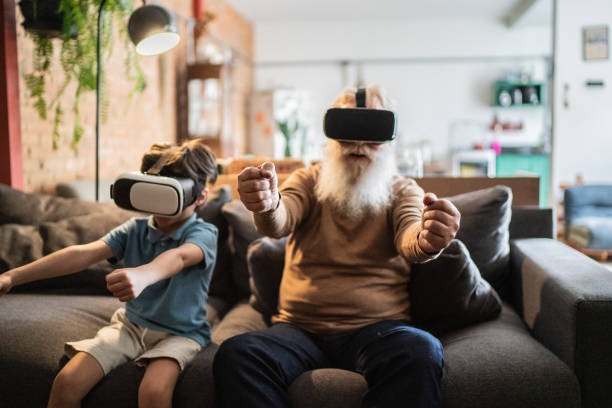
Moreover, virtual reality (VR) and augmented reality (AR) technologies are making strides in creating immersive entertainment experiences. From VR concerts that allow fans to experience live performances from home to AR applications enhancing real-world environments with digital overlays, these technologies offer novel ways for audiences to engage with content interactively.
Social media platforms have become pivotal players in digital entertainment distribution as well. With features like Instagram Reels, TikTok videos, and YouTube Shorts capturing massive viewership numbers daily, creators can reach global audiences instantly. The virality potential on these platforms encourages innovative storytelling formats tailored for short attention spans while fostering new talent discovery across various genres.
Furthermore, blockchain technology is beginning to influence how digital assets are monetized within this ecosystem through non-fungible tokens (NFTs). Artists and creators can tokenize their work into unique digital collectibles sold directly to fans worldwide—revolutionizing ownership models while opening up additional revenue streams beyond traditional methods.
As we look ahead into an increasingly interconnected world driven by rapid technological advancements coupled with evolving consumer expectations—a continued focus on innovation will remain crucial for stakeholders across all facets within this dynamic sector ensuring its sustained growth amid ongoing disruptions shaping our future interactions with digital media landscapes globally.