
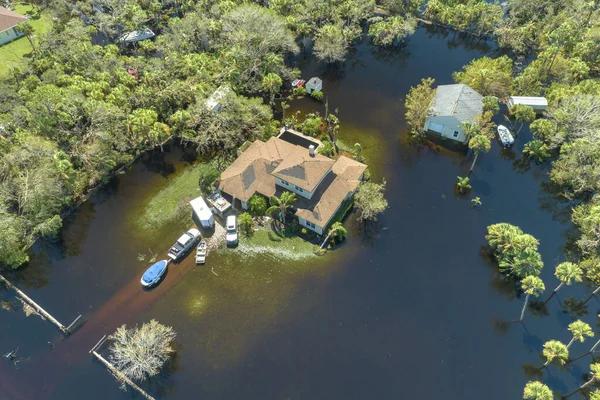
Flood damage can be devastating for property owners, leaving behind a trail of destruction that requires immediate and comprehensive cleanup efforts. Addressing water-affected properties involves a systematic approach to ensure the safety, restoration, and preservation of the affected areas. The process begins with a thorough assessment of the extent of the damage. This step is crucial as it helps in formulating an effective action plan tailored to the specific needs of each property.
Once the assessment is complete, water extraction becomes the top priority. Removing standing water quickly is essential to prevent further deterioration and mitigate potential health hazards such as mold growth. Advanced equipment like industrial-grade pumps and vacuums are employed to expedite this process, ensuring that no moisture pockets are left behind.
Following water removal, drying and dehumidification take center stage. High-powered air movers and dehumidifiers are strategically placed throughout the property to accelerate evaporation and remove moisture from walls, floors, and other structural elements. This step not only aids in preventing mold but also prepares surfaces for subsequent cleaning and disinfection.
Cleaning is an integral part of flood damage cleanup that cannot be overlooked. Contaminants brought in by floodwaters pose significant health risks; therefore, all affected areas must undergo rigorous cleaning using specialized products designed to eliminate bacteria and viruses effectively. Items such as carpets, furniture, clothing, or any porous materials may require professional cleaning or disposal if deemed unsalvageable.
Disinfection follows closely after cleaning to ensure that any remaining pathogens are eradicated completely. This step often involves applying antimicrobial treatments read more on our website surfaces prone to microbial growth due to prolonged exposure to moisture.
The final phase focuses on restoration which aims at returning properties back into their pre-flood condition or better where possible. Restoration might involve minor repairs like replacing drywall or more extensive reconstruction depending on how severely each area was impacted by flooding events.