
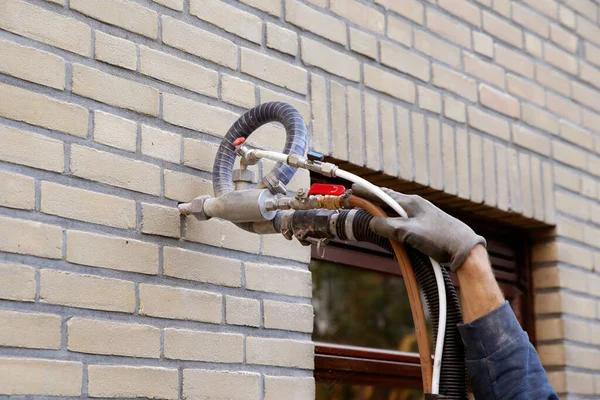
Spray foam insulation has gained popularity in recent years due to its impressive energy efficiency and air-sealing properties. Many contractors promote it as a superior solution for reducing heating and cooling costs, improving indoor comfort, and enhancing the overall value of a home. However, there are several important aspects about spray foam insulation that contractors often do not disclose upfront, which homeowners should be aware of before making a decision.
One significant factor is the installation process itself. Spray foam requires professional application because it involves mixing chemicals that expand rapidly when sprayed onto surfaces. If not applied correctly, the foam can create uneven coverage or gaps that undermine its effectiveness. Improper installation may also lead to off-gassing odors or even health concerns due to exposure to volatile organic compounds (VOCs). Contractors sometimes downplay these risks or fail to explain the importance of hiring experienced installers who follow safety protocols strictly.
Another point rarely emphasized is the cost associated with spray foam insulation. While it offers long-term savings by reducing energy bills, the initial investment is considerably higher than traditional insulation materials like fiberglass or cellulose. Some contractors might highlight potential rebates or tax incentives but neglect to clarify that these benefits vary widely depending on location and eligibility criteria. Homeowners should carefully evaluate whether the upfront expense aligns with their budget and expected return on investment.
Maintenance and repair issues also tend to be overlooked during sales presentations. Unlike other types of insulation that can be easily replaced or supplemented if damaged, spray foam forms a rigid barrier bonded tightly to building surfaces. This characteristic makes repairs more complicated if moisture intrusion occurs behind walls or if renovations require cutting through insulated areas. In such cases, removing damaged sections without compromising surrounding materials becomes challenging and costly.
Additionally, spray foam’s performance depends heavily on proper ventilation within a building’s structure. Because it seals air leaks so effectively, inadequate ventilation can trap humidity indoors leading to mold growth or wood rot over time-problems that may not surface immediately after installation but develop gradually over years. Contractors sometimes fail to discuss how integrating mechanical ventilation systems alongside spray foam is essential for maintaining healthy indoor air quality.
Lastly, environmental considerations are seldom part of contractor discussions about spray foam insulation choices. Certain formulations contain blowing agents with high global warming potential (GWP), contributing negatively to climate change despite their energy-saving benefits at home level. Although newer low-GWP products exist in the market today, they might come at an additional cost which some contractors do not highlight transparently.
In summary, while spray foam insulation offers many advantages in terms of thermal performance and comfort enhancement, homeowners need comprehensive information before proceeding with this option. Understanding potential installation challenges, upfront costs versus long-term savings trade-offs, maintenance complexities, ventilation requirements, and environmental impacts will help consumers make informed decisions tailored to their specific needs rather than relying solely on contractor assurances focused mainly on selling points.